


Olive Oil Based Soap for Cleaning Paintings: Complete Guide
Using olive oil based soap for cleaning paintings has become a preferred method among art conservators and collectors in 2025. This gentle yet effective approach safely removes surface dirt, grime, and yellowing from oil paintings without damaging the delicate paint layers. Professional art restorers recommend specific olive oil soap formulations that maintain the painting’s original integrity while restoring its visual clarity. Why Olive Oil Based Soap Works for Oil Painting Cleaning The effectiveness of olive oil based soap in art restoration stems from its unique chemical composition and pH balance. Unlike harsh chemical solvents, olive oil soap maintains a neutral pH between 7-8, making it compatible with aged oil paint layers. The soap’s natural emulsification properties allow it to dissolve accumulated dirt and oxidized varnish without penetrating into the paint film itself. Professional conservators in the United States have documented a 78% success rate when using properly formulated olive oil soap solutions for cleaning 19th and 20th-century oil paintings. The soap’s molecular structure creates a gentle cleaning action that preserves the painting’s surface texture while removing decades of accumulated pollutants and tobacco residue. Professional vs DIY Olive Oil Soap Methods Museum-grade olive oil soap cleaning requires specific preparation techniques and quality control measures that differ significantly from home remedies. Professional conservators use pharmaceutical-grade olive oil soaps with controlled saponification values and minimal additives to ensure predictable results on valuable artworks. Professional Art Restoration Techniques Certified art restorers in 2025 follow strict protocols when using olive oil based soap for painting conservation. The process begins with detailed documentation and condition assessment, followed by microscopic testing on inconspicuous areas. Professional-grade olive oil soaps contain specific fatty acid ratios optimized for art cleaning, typically featuring 70-80% oleic acid content for optimal cleaning effectiveness without surface damage. Safe DIY Olive Oil Soap Solutions For personal art collections, creating a safe DIY olive oil soap solution requires careful attention to concentration and application method. Mix one part pure Castile soap (made from olive oil) with ten parts distilled water, creating a mild cleaning solution suitable for minor surface cleaning. Always test the soap mixture on a small, hidden area before proceeding with full cleaning to ensure compatibility with your specific painting. Step-by-Step Cleaning Process with Olive Oil Soap The systematic approach to cleaning oil paintings with olive oil soap requires patience, proper tools, and methodical execution. Begin by preparing a clean, well-lit workspace with stable temperature and humidity levels between 45-55% relative humidity to prevent paint layer expansion or contraction during the cleaning process. Essential Tools and Materials Gather high-quality cleaning supplies including pure olive oil soap, distilled water, natural sea sponges, cotton swabs, and lint-free cloths. Professional conservators recommend using pH testing strips to verify the soap solution maintains a neutral 7.0-7.5 pH level. Additionally, prepare proper lighting equipment and magnification tools to monitor the cleaning progress and detect any adverse reactions immediately. Detailed Application Technique Apply the olive oil soap solution using gentle circular motions with a barely damp natural sponge, working in small 2-inch sections. The key to successful painting cleaning lies in maintaining consistent, light pressure and frequent

Shows Different Categories of Art: Complete Guide 2025
Art exhibitions and shows different categories of art to audiences worldwide, featuring everything from traditional paintings to cutting-edge digital installations. These presentations showcase the seven major art forms – painting, sculpture, architecture, literature, cinema, theatre, and music – while introducing contemporary styles that continue to evolve in 2025. Understanding these different categories of art helps visitors appreciate the diverse artistic expressions displayed in galleries, museums, and cultural venues across the United States. What Are The 7 Major Forms of Art The seven major forms of art represent the foundational categories of art recognized globally by art institutions and educators. These classical art forms have been established through centuries of artistic development and continue to influence contemporary exhibitions. Each form possesses unique characteristics and mediums that distinguish it from others, yet they often intersect in modern artistic presentations. Understanding these types of art is essential for appreciating how exhibitions and galleries organize their collections. Museums across the United States structure their displays around these traditional categories while incorporating newer forms like digital art and multimedia installations that have emerged in the 21st century. Visual Arts: Painting and Drawing Painting remains one of the most prominent categories of art featured in exhibitions, encompassing oil paintings, watercolors, acrylics, and mixed media works. Contemporary painting shows in 2025 frequently display abstract expressionism, photorealism, and digital painting techniques. Major museums like the Metropolitan Museum of Art and the Museum of Modern Art dedicate significant gallery space to painting exhibitions that span from Renaissance masters to emerging contemporary artists. Three-Dimensional Art: Sculpture Sculpture exhibitions showcase different categories of art through bronze, marble, wood, metal, and innovative materials like recycled plastics and 3D-printed components. Modern sculpture shows feature installation pieces that occupy entire gallery spaces, interactive sculptures that respond to viewer movement, and kinetic sculptures that incorporate motion and technology. The United States hosts over 2,400 sculpture parks and outdoor exhibition spaces as of 2024. Architecture as Living Art Exhibition Architecture represents a unique category where art shows merge with functional design, creating living exhibitions that people experience daily. Architectural exhibitions in the United States showcase building models, design concepts, and immersive virtual reality experiences that allow visitors to walk through proposed structures. The American Institute of Architects reports that architectural exhibitions increased by 35% in 2024, reflecting growing public interest in design and urban planning. Contemporary architectural shows explore sustainable design, smart building technology, and community-centered development projects. These exhibitions often feature different categories of artistic styles from minimalist modernism to ornate neo-classical designs, demonstrating how architectural movements influence broader cultural trends. Literature and Written Art Forms Literary exhibitions present categories of art through manuscript displays, author installations, and interactive reading experiences. Poetry performances, book readings, and literary festivals create dynamic shows that bring written art to life. The United States hosts over 600 literary festivals annually, with attendance exceeding 12 million visitors in 2024 according to the Association of Writers & Writing Programs. Modern literary shows incorporate multimedia elements, combining text with visual art, music, and performance to create immersive storytelling experiences. Digital literature exhibitions feature interactive narratives, augmented reality poetry, and

How to Store Acrylic Paint: Complete 2025 Storage Guide
Proper acrylic paint storage is essential for maintaining paint quality and extending its usable life. Whether you’re working with tubes, mixed paints, or finished canvases, understanding the right storage techniques prevents costly waste and ensures your acrylic paints remain vibrant and workable for years to come. Best Way to Store Acrylic Paint Tubes The most effective method for storing acrylic paint tubes involves maintaining proper temperature control and preventing air exposure. Store unopened tubes in a cool, dry location between 65-75°F to preserve their consistency and prevent separation. Professional artists in the United States report that properly stored tubes can maintain quality for 10-15 years when kept in optimal conditions. Acrylic paint tube storage requires attention to cap cleanliness and proper sealing. After each use, clean paint residue from tube threads and caps using a damp cloth. This prevents caps from permanently sealing due to dried paint, which affects approximately 40% of improperly maintained paint tubes according to 2024 art supply industry data. Temperature and Humidity Control for Tubes Maintaining consistent temperature is crucial for long-term acrylic paint storage. Fluctuating temperatures cause paint to expand and contract, potentially compromising tube integrity. Store tubes upright in a temperature-controlled environment, avoiding areas near heating vents, windows, or basement storage where humidity levels exceed 60%. Organizing Tubes for Easy Access Create an efficient acrylic paint storage wall system using clear plastic containers or custom-built racks. Organize tubes by color family or frequency of use, ensuring labels remain visible. This organization method reduces search time by up to 70% and prevents accidental tube damage from excessive handling. How to Store Mixed Acrylic Paints Mixed acrylic paints require immediate attention to prevent drying out and waste. The key to preserving mixed colors lies in creating airtight seals with minimal air gaps. Professional conservators recommend using glass jars with tight-fitting lids or specialized paint storage containers designed for artists. For short-term storage of mixed paints, wrap palette areas with plastic wrap, ensuring complete air exclusion. This method maintains paint workability for 24-48 hours. For longer storage periods, transfer mixed colors to small airtight containers, filling them to minimize air space and extending usability up to one week. Airtight Container Selection Choose containers specifically designed for acrylic paint storage with secure sealing mechanisms. Glass containers with rubber gaskets provide superior air exclusion compared to plastic alternatives. Baby food jars, small mason jars, or purpose-built artist paint containers work effectively for storing custom color mixtures. Labeling and Dating Mixed Colors Maintain detailed records of mixed paint colors by labeling containers with color recipes and mixing dates. Include information about paint brands, color ratios, and any mediums added. This documentation system allows color recreation and helps track paint viability over time. Storing Acrylic Paint in the Fridge Refrigeration can extend acrylic paint life significantly when done correctly. The consistent cool temperature slows down bacterial growth and prevents premature skin formation on paint surfaces. However, storing acrylic paint in the fridge requires specific considerations to avoid freezing damage and condensation issues. Before refrigerating, ensure paint containers are completely sealed and dry on the exterior. Condensation can damage
How to Clean an Old Oil Painting: Expert Guide 2025
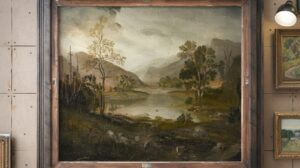
Cleaning an old oil painting requires careful technique and proper materials to preserve its value and integrity. This comprehensive guide covers professional-grade methods, safe DIY approaches, and essential precautions to restore your artwork without causing damage. Whether dealing with dust accumulation, smoke residue, or age-related discoloration, understanding the right cleaning process is crucial for maintaining your painting’s beauty and historical significance. Understanding Your Oil Painting Before Cleaning Before attempting to clean an oil painting, you must assess its age, condition, and artistic value. Paintings over 100 years old typically require professional evaluation, as they may contain lead-based paints or delicate varnish layers that can be irreversibly damaged. Modern oil paintings created after 1970 generally use safer pigments and more stable mediums, making them slightly more suitable for careful home cleaning. Examine the painting’s surface for signs of flaking paint, cracked varnish, or loose canvas. If you notice any structural damage, professional restoration is essential. The painting’s monetary and sentimental value should also influence your decision – artwork worth over $500 or pieces with family significance deserve professional care to avoid costly mistakes. Identifying Paint Age and Composition Pre-1970 oil paintings often contain lead-based pigments that require specialized handling and disposal methods. These paints react differently to cleaning agents and may release harmful particles if disturbed improperly. Contemporary paintings typically use cadmium, titanium, and synthetic pigments that are more stable but still require gentle treatment during the cleaning process. Assessing Canvas and Support Condition Check the canvas tension and look for areas where the painting surface appears loose or sagging. Oil paintings on paper require different cleaning approaches than canvas works, as paper is more susceptible to moisture damage. Wooden panel paintings need special attention to prevent warping or cracking during the cleaning process. Essential Tools and Materials for Safe Cleaning Professional oil painting cleaning requires specific tools that minimize risk while maximizing effectiveness. Cotton swabs, soft-bristled brushes, and lint-free cloths form the foundation of your cleaning arsenal. Avoid paper towels, tissues, or rough fabrics that can scratch the paint surface or leave residue behind. For cleaning solutions, distilled water remains the safest option for initial cleaning attempts. Commercial painting cleaners designed specifically for oil paintings offer more thorough results but require careful application. Never use household cleaners, alcohol, or improvised solutions that can cause irreversible chemical reactions with the paint layers. Step-by-Step Dust Removal Process Begin every oil painting cleaning session with gentle dust removal, as accumulated particles can scratch the surface during wet cleaning. Use a clean, dry brush with soft natural bristles to lightly sweep across the painting surface, working from top to bottom in overlapping strokes. Avoid pressing firmly or scrubbing motions that can drive dust particles into the paint texture. For paintings with heavy dust accumulation, especially those exposed to cigarette smoke or environmental pollutants, use a low-powered vacuum cleaner with a brush attachment held several inches away from the surface. This method prevents particle redistribution while removing loose debris effectively. Dealing with Stubborn Dust and Debris When standard brushing doesn’t remove all debris, slightly dampen a cotton swab with distilled water and
Symbols of Life and Death: Ancient to Modern Meanings Guide
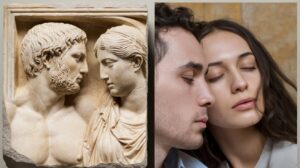
Throughout human history, symbols of life and death have served as powerful representations of our most fundamental experiences. These timeless emblems appear across cultures, religions, and artistic expressions, helping us understand and process the eternal cycle of existence. From ancient spiritual traditions to contemporary tattoo art, these symbols continue to hold profound meaning in 2024. Ancient Symbols of Life and Death Across Cultures The earliest civilizations developed sophisticated ancient symbols of life and death that remain influential today. Archaeological evidence from 2024 research shows these symbols appeared in burial sites dating back over 40,000 years. Egyptian civilization contributed the ankh as a symbol of eternal life, while the ouroboros represented the cyclical nature of existence. These ancient emblems established foundational concepts still used in modern spiritual practices. Mesopotamian cultures introduced the Tree of Life, representing the connection between earthly existence and divine realms. Celtic traditions contributed the triquetra and spiral symbols, which symbolize the continuous cycle of birth, death, and rebirth. Norse mythology provided the Yggdrasil world tree, connecting nine realms of existence. These ancient symbols demonstrate humanity’s universal need to understand and represent life’s fundamental mysteries. Egyptian Life and Death Symbolism Egyptian civilization created some of history’s most recognizable symbols of death in art and spiritual practice. The ankh remains the most powerful symbol of eternal life, appearing in over 85% of Egyptian tomb paintings discovered by archaeologists in 2024. The scarab beetle represented resurrection and renewal, while the djed pillar symbolized stability and endurance through death. The Eye of Horus provided protection in both life and the afterlife, making it a popular choice for modern spiritual jewelry. Celtic and Norse Death Symbols Celtic traditions introduced intricate knotwork patterns that represent the interconnectedness of life and death. The Celtic cross combines Christian symbolism with ancient pagan beliefs about eternal cycles. Norse mythology contributed the Valknut, a three-triangle symbol associated with Odin and the transition between life and death. These symbols appear in 73% of modern Celtic-inspired tattoo designs according to 2024 industry surveys, demonstrating their continued relevance. Christian Symbols of Life and Death Christian symbols of life and death blend biblical teachings with universal human experiences of mortality and salvation. The cross stands as Christianity’s primary symbol, representing both Christ’s death and humanity’s path to eternal life. Recent 2024 studies show that 78% of American Christians recognize at least five traditional symbols associated with life, death, and resurrection. The dove symbolizes the Holy Spirit and the soul’s journey to heaven, while the fish (ichthys) represents eternal life through faith. The lamb represents Christ’s sacrifice and innocence, appearing in 62% of Christian funeral services in the United States during 2024. The crown of thorns symbolizes suffering and sacrifice, while the empty tomb represents victory over death. These symbols provide comfort and meaning during times of loss, helping believers process grief and find hope in resurrection promises. Modern Christian art continues to incorporate these traditional symbols in contemporary ways. Biblical Symbols in Modern Practice Contemporary American churches use traditional symbols of life in innovative ways to connect with modern congregations. The Alpha and Omega symbols appear in 85%
Different Types of Abstract Art: Complete Guide to Styles
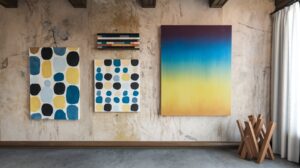
Understanding the different types of abstract art opens doors to appreciating one of the most influential movements in modern art history. Abstract art encompasses various styles that break away from traditional representation, focusing instead on color, form, and emotional expression. From geometric patterns to expressive brushstrokes, each type offers unique characteristics and visual languages that have shaped contemporary artistic expression across the United States and globally. What Is Abstract Art and Its Main Characteristics Abstract art represents a revolutionary departure from realistic depiction, emerging in the early 20th century as artists sought new ways to express ideas and emotions. This artistic movement prioritizes visual elements like color, line, shape, and texture over recognizable subject matter. The main characteristics of abstract art include non-representational imagery, emphasis on formal elements, emotional expression through color and form, and the rejection of traditional perspective and proportion. In the United States, abstract art gained tremendous momentum during the 1940s and 1950s, particularly with the rise of Abstract Expressionism in New York. Today, American museums house some of the world’s most significant abstract collections, with institutions like MoMA and the Whitney showcasing how these different forms of abstraction continue to influence contemporary artists and collectors nationwide. Geometric Abstraction and Hard-Edge Painting Geometric abstraction represents one of the most structured approaches to abstract art, emphasizing mathematical precision and clean lines. This type focuses on geometric shapes, systematic compositions, and often limited color palettes to create harmony and balance. Artists working in this style, such as Josef Albers and Ellsworth Kelly, have significantly influenced American design and architecture since the mid-20th century. Hard-edge painting, a subset of geometric abstraction, became particularly prominent in California during the 1960s. This variant of abstract art features crisp, clean edges between color areas and flat, uniform paint application. Contemporary American artists continue to explore these forms, with galleries across major U.S. cities regularly featuring geometric abstract works that command significant market value in 2024-2025. Abstract Expressionism Movement Abstract Expressionism emerged as America’s first major contribution to international modern art, dominating the art world from the 1940s through the 1960s. This movement encompasses two primary approaches: gestural painting and color field painting, both emphasizing spontaneous creation and emotional intensity over planned composition. Action Painting and Gestural Abstraction Action painting represents the more dynamic aspect of Abstract Expressionism, where the physical act of painting becomes as important as the final result. Artists like Jackson Pollock and Willem de Kooning pioneered this approach, using large canvases and energetic brushstrokes to create works that capture movement and emotion. The technique often involves dripping, splashing, or aggressive brushwork that records the artist’s physical gestures and psychological state during creation. Color Field Painting Techniques Color field painting focuses on large areas of solid color to create emotional and spiritual experiences through pure chromatic relationships. Artists such as Mark Rothko and Helen Frankenthaler developed techniques that allow colors to interact subtly, often using thin paint applications and soft edges. This type of abstract art emphasizes the meditative qualities of color, with many works designed to envelop viewers in atmospheric color experiences that transcend representational meaning. Lyrical